


Md Asiuzzaman
Introduction: A Holistic Approach to Career Development
Having earned my Strong Interest Inventory certification in 2019, I felt it was time to update my knowledge of the SII assessment process. With continued access to the GS Consultants program site and my CareerID through Psychometrics Canada, I’ve refreshed my expertise and decided to share these insights through a series of blog posts over the coming weeks. To streamline the analysis, organization and writing process, I’ve leveraged AI as a productivity tool.
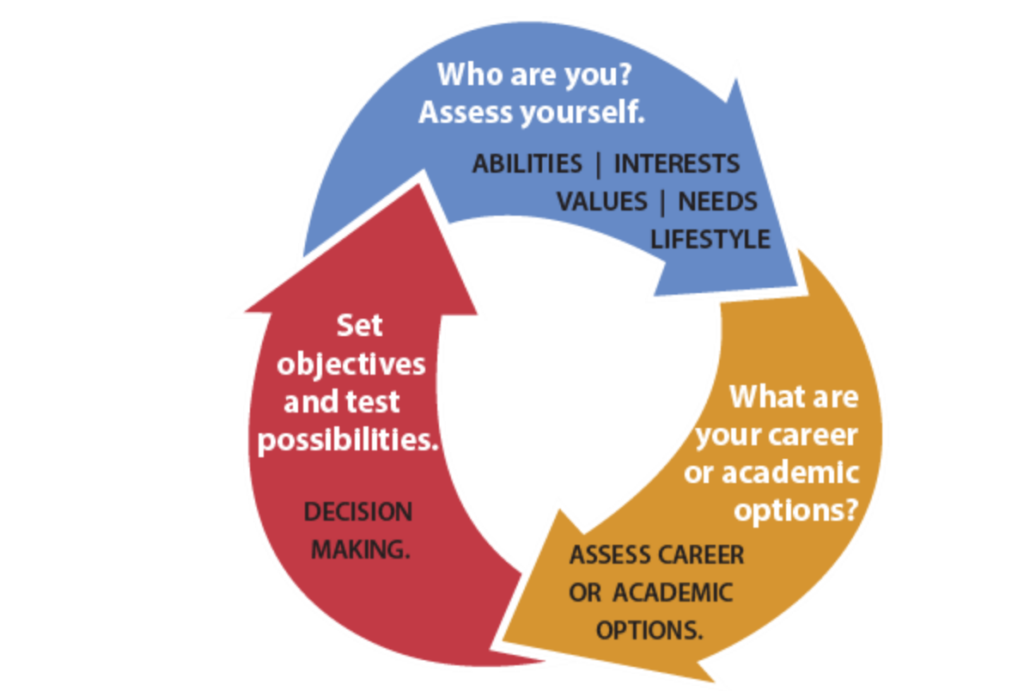
Career exploration goes beyond merely taking an interest inventory and reviewing the findings. It’s a systematic process that helps individuals uncover meaningful career paths based on their unique profiles. As career development professionals, we do more than administer assessments—we support clients in self-discovery, exploration, decision-making, and action planning. The Strong Interest Inventory, one of the most popular career assessment tools, is just one part of this broader framework.
Whether we work in universities, private practices, corporate settings, or community career centers, understanding the complete career exploration process is key to helping clients find career satisfaction and success.

Source: Freepick.com/
The Four Pillars of Self-Assessment
Before examining career options, clients must first understand themselves across four critical areas:
1. Personality: Who They Are
Personality assessment helps clients recognize their core traits, preferences, and behaviour patterns. This includes knowing if they are introverted or extroverted, how they process information, make decisions, and interact with their work environment. Insights into personality lay the groundwork for identifying work settings where clients will flourish.
2. Interests: What They Like to Do
Interest assessment, using tools such as the Strong Interest Inventory, reveals which activities truly engage and motivate clients. These are not just hobbies—they indicate the kinds of work tasks and environments that will keep clients engaged and satisfied in the long term. Interest inventories help clients express preferences they might not have been consciously aware of.
3. Abilities: What They’re Good At
Skills and abilities assessment identifies clients’ strengths. This goes beyond academic success and includes practical skills, technical abilities, interpersonal strengths, and transferable skills. Knowing their capabilities helps clients pinpoint realistic career options and areas for further development.
4. Values: What They Need for Satisfaction
Values assessment examines what clients require from their careers to feel fulfilled. This includes factors such as work-life balance, pay, autonomy, helping others, creativity, security, prestige, and variety. When career choices reflect personal values, job satisfaction tends to increase significantly.
The Four-Step Career Exploration Process
Step 1: Setting the Stage for Counselling
This initial phase is one of the most crucial parts of successful career counselling. Setting the stage involves:
- Building Trust and Rapport: Creating a safe space where clients can explore their concerns, uncertainties, and goals is vital. Without trust, clients may hold back important information or resist the process.
- Clarifying Expectations: Both the counsellor and the client must agree on the issue to address and work toward the same objectives. A common frustration arises when clients seek targeted help—such as resume writing—while enrolled in broader career exploration programs. Even if professionals recognize deeper needs, addressing the client’s immediate concerns first fosters engagement for more extensive work.
- Defining the Problem: Through attentive listening and questioning, counsellors help clients express their concerns about their careers. Sometimes clients cannot immediately pinpoint what bothers them about their career situation. Skilled counsellors help clients explore and define their needs.
- Establishing Goals: Clear, mutually accepted goals steer the process and serve as markers for measuring progress. These goals should be specific, realistic, and meaningful to the client.
Step 2: Beginning the Counselling Process
Once the foundation is set, the counsellor and client work together on strategies and techniques:
Selecting Assessment Tools: Depending on the client’s needs, counsellors recommend suitable assessments. The Strong Interest Inventory might be paired with personality assessments, values inventories, or skills assessments. Each tool should have a clear purpose related to the client’s goals.
Administering Assessments: When administering the Strong Interest Inventory, some critical considerations apply:
- Differentiate Between Tests and Inventories: Clients, especially students, often think assessment booklets contain right or wrong answers. Counsellors must clarify that interest inventories measure preferences, not abilities, and there are no correct answers.
- Ensure Appropriate Screening: Do not administer restricted psychological assessments without proper screening to ensure appropriateness and explain the purpose.
- Consider Developmental Readiness: Respondents must grasp work concepts. Generally, eighth grade is the earliest appropriate age, with junior year of high school and beyond being ideal.
- Address Reading Level: The Strong requires about ninth-grade reading ability. Clients with lower reading levels might struggle with occupational language and should be offered alternative assessments.
- Allow Adequate Time: The Strong typically takes 35-40 minutes to complete, often less when taken online.
- Explaining the Process: Clients should know what assessments measure, how results will be used, and that they control their information. This transparency encourages engagement and reduces anxiety.
Source: https://gsconsultants.training/
Step 3: Interpretation of Assessments
Interpretation turns raw data into valuable insights:
Individual Assessment Review: While the Strong should be reviewed on its own to understand interest patterns, it should not be the sole focus for career concerns. Its assessment is most effective when interpreted by trained career professionals who can put results in context.
Integration of Multiple Assessments: Counsellors combine results from personality, interest, ability, and values assessments to create a well-rounded profile. This integration helps clients recognize:
- Patterns: Where do multiple assessments point to similar conclusions?
- Discrepancies: Where do results seem contradictory, and what may account for these differences?
- Themes: What overarching themes arise in the client’s career profile?
- Collaborative Exploration: Interpretation should be a collaborative effort, with clients actively involved in making sense of their results. Counsellors guide discussions rather than dictate, helping clients draw their own insights.
Step 4: Exploration and Action
Assessment interpretation is not the end—it’s a starting point:
The Exploration Plan: This plan focuses on gathering information and expanding options. Activities might include:
- Informational interviews with professionals
- Job shadowing experiences
- Research on job outlooks
- Exploring educational requirements
- Attending industry events or job fairs
Without boundaries, exploration can go on indefinitely. That’s why an action plan is crucial.
The Action Plan: The action plan shifts responsibility from outside resources (assessments, counsellors) to the client. It includes:
- Specific, time-bound activities
- Measurable milestones
- Accountability mechanisms
- Required resources
Follow-Up and Support: Many clients need ongoing support to maintain momentum. Follow-up sessions, check-ins, or group support can ensure clients stay on track with their plans and reach their goals.
Adapting to Different Settings
The career exploration framework remains the same, but how it’s carried out varies by setting:
- Universities: May offer semester-long career exploration courses that earn academic credits.
- Corporate Settings: Career management professionals often have flexibility in the number of sessions.
- Private Practice: Limited by clients’ financial resources, requiring focused, efficient approaches.
- Community Colleges and Career Centers: Often restricted to one or two hours per client, necessitating streamlined processes.
Conclusion
Compelling career exploration is a structured, holistic process that respects clients’ unique profiles while offering guidance. The Strong Interest Inventory is a valuable tool in this framework, but its strength lies in its integration with other assessments and skilled interpretation by professionals. By following this detailed process—setting the stage, starting counselling thoughtfully, interpreting assessments collaboratively, and supporting both exploration and action—career professionals can help clients find fulfilling career paths that match who they are, what they enjoy, what they do well, and what they value.
References
Brown, D. (2011). Career information, career counselling, and career development (10th ed.). Allyn and Bacon.
Grutter, J. (2006). Career exploration for college students using the Strong and MBTI tools. The Myers-Briggs Company.
Herr, E. L., Cramer, S. H., & Niles, S. G. (2003). Career guidance and counselling through the lifespan (6th ed.). Allyn and Bacon.
Savickas, M. L., & Walsh, W. B. (1996). Handbook of career counselling theory and practice. Davies-Black Publishing.
Zunker, V. G. (2001). Career counselling: Applied concepts of life planning (6th ed.). Wadsworth Publishing.
Zunker, V. G. (2015). Career counselling: A holistic approach (9th ed.). Brooks Cole.